Room to Breathe: What Asia's Empty Spaces Are Teaching Us About the Stuff We Can't Let Go Of
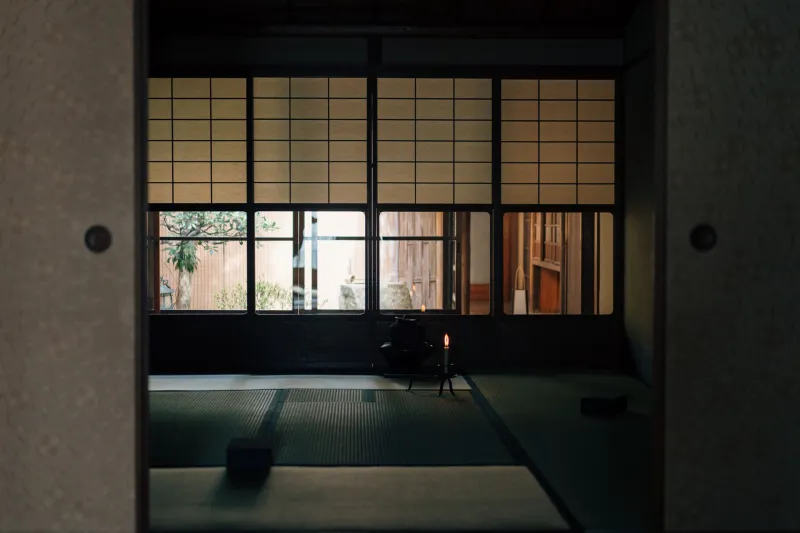
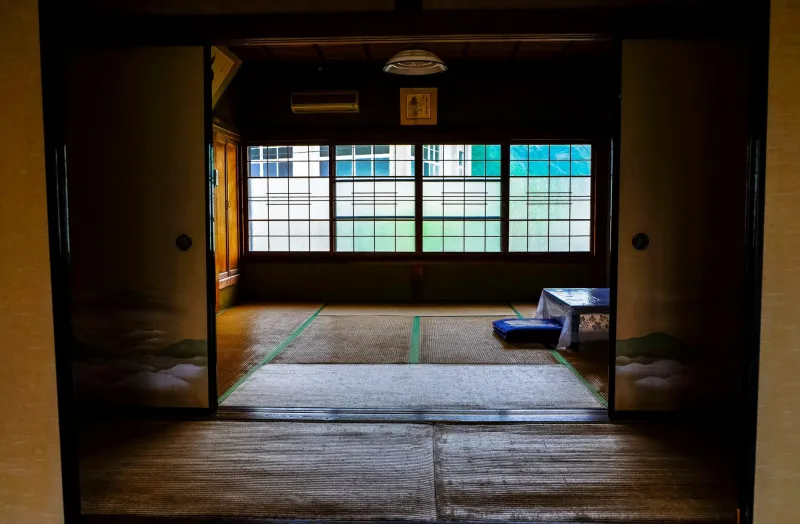
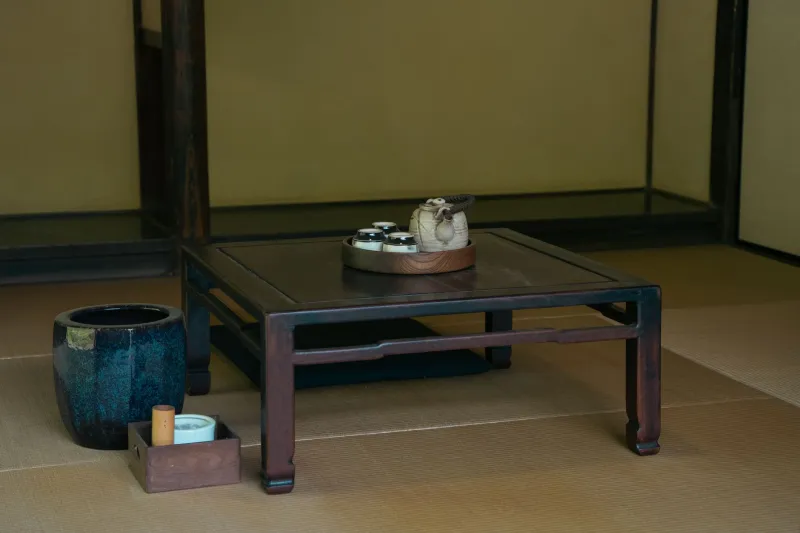
There's a moment that happens to a lot of American travelers somewhere between the airport and their first full day in Kyoto. You check into a ryokan, slide open the shoji screen to your room, and stop. The floor is clean tatami. There's a low table, a single scroll painting on the wall, maybe a small ceramic vase with one branch of something seasonal in it. That's it. No TV console buried under remotes. No shelves groaning with decorative objects. No throw pillows multiplying across a sectional sofa.
And your first instinct — if you're being honest — might be mild panic. Where does everything go?
Then, about twenty minutes later, something shifts. Your shoulders drop. Your eyes stop scanning. You sit down on the floor cushion and realize you haven't felt this calm in a hotel room, or maybe any room, in a very long time.
That's not an accident. It's architecture doing exactly what it was designed to do.
The Philosophy Behind the Nothing
In Japanese design, the concept of ma (間) refers to negative space — the intentional pause between objects, the deliberate emptiness that gives the things that are present room to breathe and meaning to land. It's not minimalism in the Instagram-aesthetic sense of white walls and a single succulent. It's a philosophical stance that says space itself is an element, not a void to be filled.
This thinking shows up everywhere in Kyoto. At Ryoanji Temple, the famous rock garden contains fifteen stones arranged across raked gravel — and the gravel isn't a backdrop, it's the point. The emptiness is what creates the contemplative pull. At the Katsura Imperial Villa, rooms are designed so that your eye has somewhere to rest and somewhere to travel, with nothing competing for attention unnecessarily.
Southeast Asia has its own versions of this. Traditional Balinese homes organize space around open-air courtyards where the sky is essentially part of the interior. Thai temple architecture uses soaring ceilings and sparse ornamentation so that the sacred objects present — a gilded Buddha, a single offering of jasmine — carry full visual weight. In Vietnamese tube houses, the narrow footprint forces a vertical intentionality: every object placed is placed deliberately because there simply isn't room for the accidental accumulation that happens in wider spaces.
The common thread isn't austerity. It's curation.
Why American Spaces Feel So Exhausting
Back home, we've been sold a different story. Bigger is better, more is more, and every surface is an opportunity. The open-concept living room that flows into the kitchen that flows into the dining area — all of it layered with furniture, art, plants, books, gadgets, and the particular chaos of a life being lived — is genuinely appealing in a lot of ways. It's warm. It's personal. It tells a story.
But there's a cognitive cost that doesn't show up on the receipt. Researchers who study environmental psychology have found that cluttered spaces elevate cortisol levels — the stress hormone — and reduce our ability to focus. Every object in your field of vision is a micro-decision your brain is quietly making: Do I need to address that? Does that belong there? Should I move it? Multiply that by the average American living room and you've got a low-grade mental hum running all day in the background.
That hum is what goes quiet in a well-designed Japanese room. Or a spare Balinese pavilion. Or even a simple guesthouse in Chiang Mai where the only decoration is a single orchid in a clay pot on the windowsill.
What You Can Actually Borrow From This
Here's the good news: you don't have to gut your apartment or adopt an aesthetic that feels foreign to who you are. The principles behind Asia's intentional emptiness are transferable, and they don't require you to live like a monk.
Start with one surface. Pick a table, a countertop, a windowsill — and clear it completely. Then add back only one or two objects that genuinely mean something to you. Notice how differently those objects read when they have space around them. A piece of pottery you picked up in Hoi An. A photograph from a trip. One good candle. The ma principle doesn't demand emptiness everywhere; it asks you to let the things you love actually be seen.
Think about where your eye lands when you walk in. In traditional Japanese interiors, the tokonoma — a small alcove — is the designated focal point of a room. Everything else is arranged to support it, not compete with it. What's the equivalent in your living space? If the answer is "everything at once," that's worth sitting with.
Give your walls permission to breathe. American gallery walls are having a cultural moment, and they can be beautiful — but they can also turn a room into visual noise. Try leaving one wall bare for a month. See if the room feels different. See if you feel different in it.
Bring in natural impermanence. One of the reasons a single branch in a vase works so well in a Japanese room is that it changes — it blooms, it fades, it gets replaced with something seasonal. This is the wabi-sabi influence: an acceptance that beauty is temporary, so you don't need to fill space with things that will last forever. A weekly farmers market flower, a bowl of fruit, a pinecone from a weekend hike — these do more with less.
The Souvenir You Didn't Know You Were Bringing Home
Travel to Asia has a way of recalibrating your sense of what's necessary. You pack a bag, live out of it for two or three weeks, and discover that the things you thought you couldn't live without were mostly just things you were used to having around. The ryokan room doesn't feel sparse after a few nights — it feels right. The Balinese courtyard doesn't feel unfinished — it feels like it's listening.
That recalibration is worth something when you get home and stand in your own hallway staring at the coat rack, the shoe pile, the mail that never quite makes it to the recycling bin. It doesn't mean you need to throw everything out. It means you might start asking a different question — not where does this go? but does this need to be here at all?
Asia's empty rooms aren't empty because there's nothing to put in them. They're empty because someone decided that space itself was worth having. That's the idea worth packing.