The Magic Was Never Accidental: How Asia's Hidden Craftsmanship Creates Experiences That Feel Like Dreams
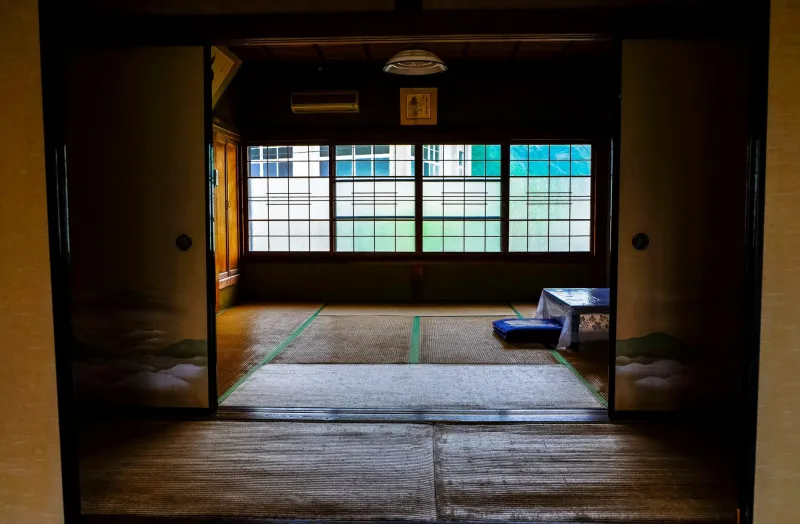
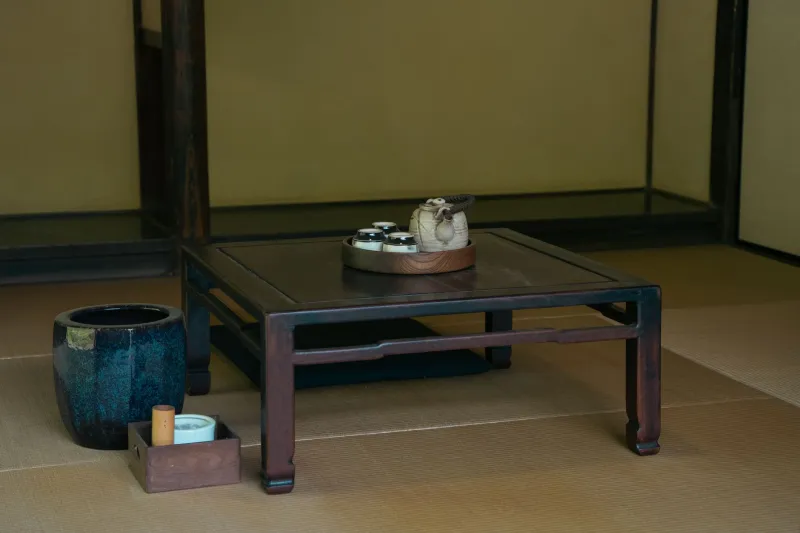
You check into a ryokan in Kyoto just before dusk. The sliding door opens to a room that feels like it exhaled for you — fresh tatami, a single ceramic vase holding one perfect branch, the low hum of a kettle already warming. Nothing feels arranged. Everything feels inevitable. You think: this place just is this way.
It isn't. Someone was in that room two hours ago, measuring angles.
That gap between what you feel and what actually happened is the whole point. And once you start noticing it — really noticing it — travel across Southeast Asia and Japan stops being a series of beautiful backdrops and starts becoming a masterclass in a philosophy that most of us in the West have never been taught.
Effort That Doesn't Announce Itself
In American culture, hustle is currency. We post the gym selfie at 5 a.m. We share the deadline crunch. We narrate our grind. The work is the story, and the story needs an audience. There's nothing inherently wrong with that — but it does create a particular blind spot when we travel.
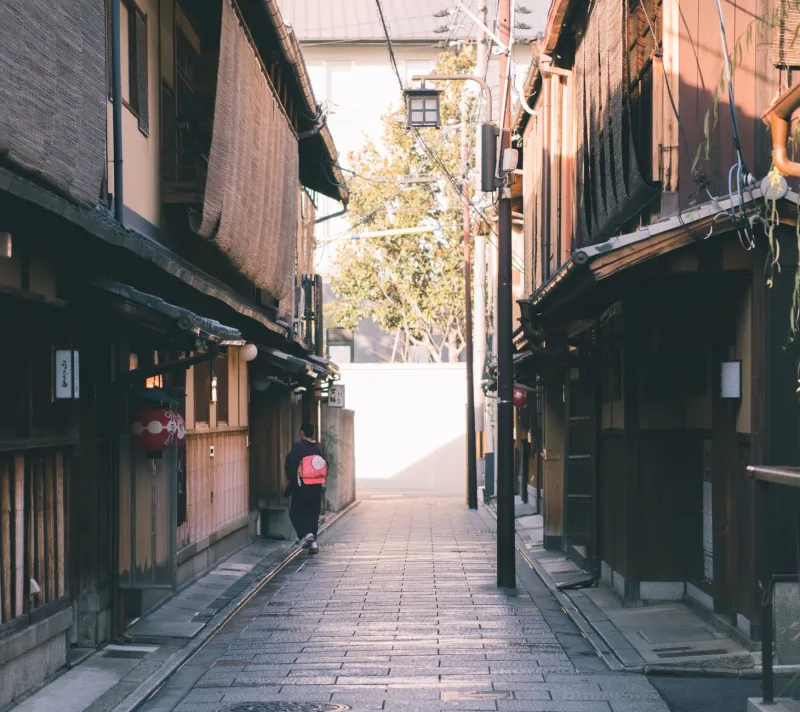
In Kyoto's best ryokans, the omotenashi tradition — often translated as wholehearted hospitality — operates on an entirely different axis. The goal isn't to impress you with effort. The goal is to make effort invisible so that you feel held rather than served. Staff at places like Tawaraya or Hiiragiya have been trained for years, sometimes decades, to anticipate needs before they're spoken and to vanish before gratitude can be offered. The experience is engineered to feel like intuition.
This isn't laziness dressed up as zen. It's the opposite: extraordinary discipline applied toward the goal of making discipline disappear.
Bangkok's Street Stalls and the Myth of Simplicity
Fly south to Bangkok and the aesthetic shifts completely — loud, bright, smoky, kinetic — but the same principle hums underneath.
Watch a pad kra pao vendor on Sukhumvit for twenty minutes. The wok moves so fast it blurs. The whole transaction takes ninety seconds. You walk away with something transcendent for the equivalent of two dollars and think: that was so simple.
Except that vendor has been at that cart since before sunrise. The holy basil was sourced from a specific market stall three blocks away because the flavor profile is slightly different. The heat level of the chilies was tested against the oil temperature. The whole thing has been rehearsed thousands of times until the rehearsal became reflex.
What looks like spontaneous street cooking is actually the end product of years of calibration. The simplicity you experience is a kind of gift — the vendor's mastery has been compressed into something that feels casual, even accidental. In reality, it's a performance so practiced it no longer looks like one.
That's not a Thai thing or a Japanese thing. That's a deeply human thing that certain cultures have chosen to honor quietly, while others have chosen to amplify loudly.
Bali's Sacred Choreography
In Bali, the invisible labor takes on a spiritual dimension. The canang sari — those small woven palm-leaf offerings you see everywhere, tucked at doorways and temple steps and the corners of market stalls — are made fresh every single day. Every day. By hand. By the same people who also cook, work, and raise families.
Tourists photograph them constantly. They're genuinely beautiful. But what most visitors don't register is the cumulative weight of that practice: the hours each week, multiplied across a lifetime, multiplied across a community. The offering isn't just an object. It's a record of sustained, invisible devotion.
Balinese Hindu tradition holds that the act of making the offering matters as much as the offering itself. The effort isn't meant to be seen by anyone except, arguably, the divine. That's a radical inversion of how most Americans relate to effort — which is to say, we relate to it publicly.
Walking through Ubud's temple corridors during a ceremony, surrounded by that orchestrated beauty, you're standing inside thousands of hours of quiet, unannounced work. The experience feels spontaneous. It is anything but.
What American Hosts and Entrepreneurs Are Missing
Here's where this gets practical, because it's worth asking: what would it look like to import this philosophy?
Not the aesthetic — plenty of American boutique hotels have already borrowed the bamboo and the linen. The philosophy. The commitment to making the guest's experience feel effortless by absorbing all the friction yourself, backstage, without acknowledgment.
Right now, American hospitality culture tends to narrate its own effort. The farm-to-table restaurant tells you about the farm. The artisan coffee shop posts the sourcing story above the espresso machine. The Airbnb host leaves a handwritten note explaining how long they spent curating the welcome basket. All of that is genuinely well-intentioned — and often delightful — but it asks the guest to carry the weight of appreciation. It makes the effort visible so that the effort can be valued.
The Asian tradition of invisible labor asks something harder: do the work, then get out of the way.
For entrepreneurs, there's a version of this that applies directly to product and service design. The best user experiences — the ones that feel intuitive, frictionless, almost magical — are the ones where the engineering is buried so deep you forget it's there. The best hospitality works the same way. The seam should never show.
The Discipline of Disappearing
None of this is easy to sustain. The ryokan attendant who memorizes your tea preference from a single morning interaction and never mentions it again is performing an act of profound restraint. The Bangkok vendor who has simplified a dish to its most essential form has resisted every shortcut. The Balinese woman weaving offerings before dawn has chosen, again and again, to do something that no one will explicitly thank her for.
That kind of discipline — the discipline of disappearing — is rare anywhere. But in Kyoto and across Southeast Asia, it's been cultivated into something close to an art form.
As a traveler, recognizing it changes how you move through these places. You stop taking the seamlessness for granted. You start to feel the weight of what's behind it. And if you're paying attention, you might start asking what it would mean to bring even a fraction of that ethos home — into your work, your hosting, your daily life.
The magic was never accidental. And that, somehow, makes it more magical.