Don't Just Leave — Depart: What Asia Taught Me About the Lost Art of a Proper Goodbye
There's a specific kind of regret that hits somewhere between the taxi and the terminal. You've already mentally checked out — you're thinking about your layover, your inbox, the pile of laundry waiting at home — and then it lands: Did I even say goodbye to that place?
Most of us don't. We leave destinations the way we leave parties we weren't sure we wanted to attend in the first place — quietly, quickly, without ceremony. But spend enough time in Kyoto or across Southeast Asia, and you start to notice that the people who live there treat departure very differently. Leaving, in much of Asia, isn't an afterthought. It's an art form.
The Farewell Meal Isn't Just Dinner
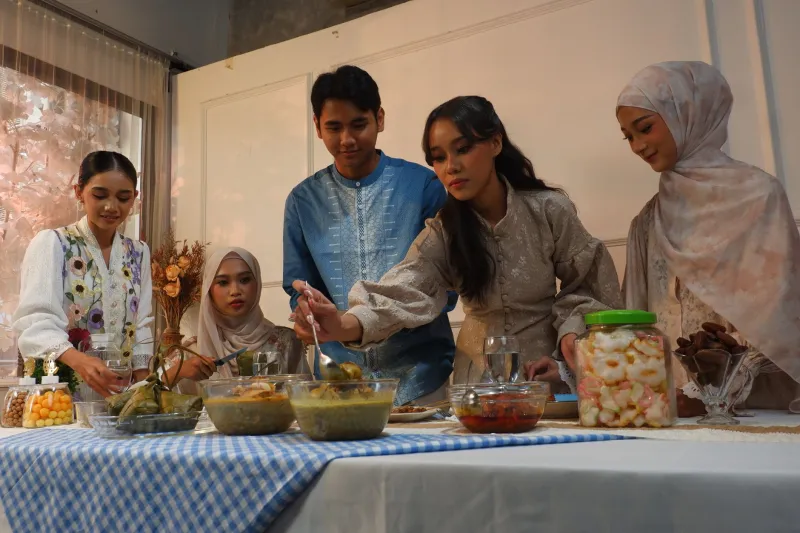
In Japan, the o-wakare no shokuji — the farewell meal — is a specific, recognized event. It's not just dinner on your last night. It's a deliberate act of closing. Friends gather not to celebrate but to honor an ending, and the food itself is chosen with intention: dishes tied to memory, to place, to the particular texture of the time you shared together.
In Thailand and Vietnam, something similar plays out more informally but no less meaningfully. A guesthouse owner who's fed you breakfast every morning for a week will suddenly appear with something she didn't put on the menu — a soup her grandmother made, a dessert she saves for people she actually likes. It's not a transaction. It's a handoff. She's giving you something to carry.
American travelers often misread this as hospitality. And it is — but it's also ritual. The farewell meal is a container for everything that doesn't fit into ordinary conversation: gratitude, affection, the low-grade sadness of impermanence. Eating together one last time is a way of saying this mattered without having to find the words for it.
The Final Walk as a Form of Memory-Making
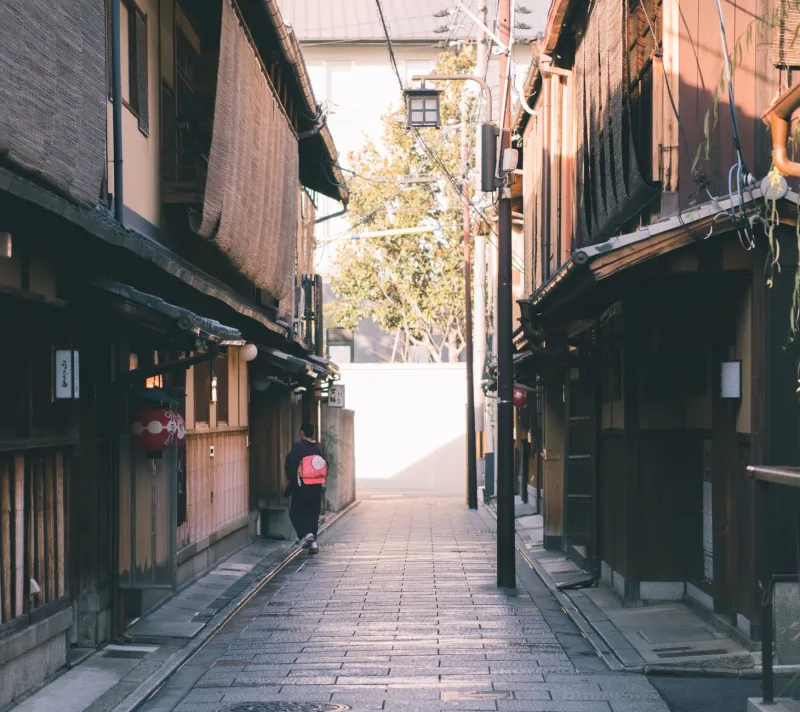
In Kyoto, there's a practice that some long-term residents and frequent visitors describe almost like a personal tradition: the last-morning walk. Before the bags are zipped, before the checkout paperwork, you go back to the neighborhood. Not to see anything new — you've already seen it — but to look again, slowly, with the knowledge that this particular version of the morning won't happen again.
It sounds almost too simple to be meaningful. But there's real cognitive weight to it. Psychologists who study travel and memory have noted that how we end experiences shapes how we remember them. A deliberate, attentive goodbye — even a solitary one — encodes the experience differently than a rushed exit. You're not just leaving. You're filing it away properly.
Across Southeast Asia, this instinct shows up in different forms. In Luang Prabang, Laos, some travelers make a point of watching the monks' alms-giving procession one final time before they go — not because it's the most convenient thing to do at 5:30 a.m. on a travel day, but because it feels like the right way to close the chapter. In Bali, visitors sometimes return to a temple they visited early in the trip, completing a kind of personal loop.
None of this is prescribed. Nobody hands you a checklist. But once you start paying attention, you realize the impulse is everywhere: the idea that leaving well requires going back, briefly, to where you began.
What 'Letting Go' Actually Looks Like
There's a Buddhist concept that surfaces in both Japanese and Southeast Asian cultures — the acceptance of mono no aware in Japan, the broader embrace of impermanence woven through Theravada Buddhist practice in countries like Myanmar, Cambodia, and Thailand. The idea isn't that endings are sad, exactly. It's that they're real, and pretending otherwise does a kind of violence to the experience.
When you rush out of a destination — phone in hand, already mentally stateside — you're not really letting go. You're just abandoning. And there's a difference. Abandonment leaves things unresolved. It's why so many travelers come home from significant trips feeling vaguely unsatisfied, even when the trip itself was wonderful. The experience didn't get a proper ending, so it doesn't quite feel finished.
The departure rituals embedded in Asian culture — the farewell meal, the final walk, even the extended, almost excessive goodbyes that can feel awkward to Americans — are all doing the same work. They're making the ending legible. They're giving the experience a shape it can hold onto.
Practical Ways to Leave Like You Mean It
You don't have to become a ritual expert to apply any of this. A few small shifts can change the entire texture of how you close out a trip.
Build in buffer time. The single biggest obstacle to a meaningful departure is the schedule. If you're racing to the airport, you're not saying goodbye — you're escaping. Even an extra two hours on your final morning changes what's possible.
Eat somewhere that meant something. Skip the airport food court as long as you can. Go back to the noodle stall you found on day two, the coffee shop where you finally started to feel like you understood the neighborhood. Eat slowly. Pay attention to what it tastes like knowing it's the last time.
Write something down before you go. Not a review, not a caption — something private. A sentence or two about what surprised you, what you'll carry back. Kyoto especially rewards this kind of reflection; the city has a way of handing you things you don't fully understand until you sit with them.
Say actual goodbyes. To the guesthouse staff, the market vendor, the tuk-tuk driver who gave you genuinely good advice. These feel awkward if you're not used to them. Do it anyway. The awkwardness is part of it.
The Goodbye Is Part of the Trip
Here's the thing nobody puts in the travel guide: how you leave a place is the last thing you do there, and it shapes everything that came before it. A trip that ends in a scramble feels like a scramble, even if the middle was extraordinary. A trip that ends with intention — with a meal, a walk, a quiet acknowledgment that something real happened here — feels complete.
Asia has been practicing this for a very long time. The cultures that built Kyoto's tea ceremony tradition, that embedded ritual into every transition from birth to death to the changing of seasons, understood something we keep having to relearn: the way we end things is the way we honor them.
So next time you're counting down the hours in a guesthouse in Chiang Mai or a ryokan in Arashiyama, resist the urge to mentally board the plane early. You've still got time. Use it to leave properly.
You'll remember the place better for it.