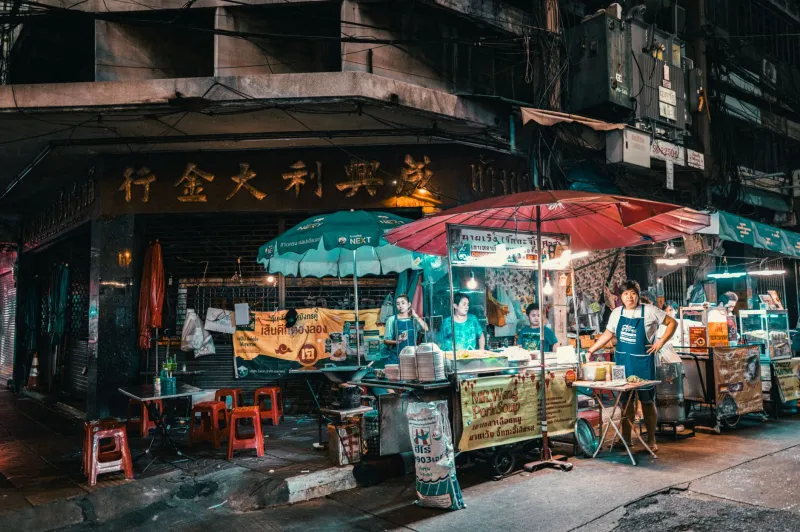
Pack Light, Plan Less: The Unexpected Freedom of Showing Up Without an Agenda
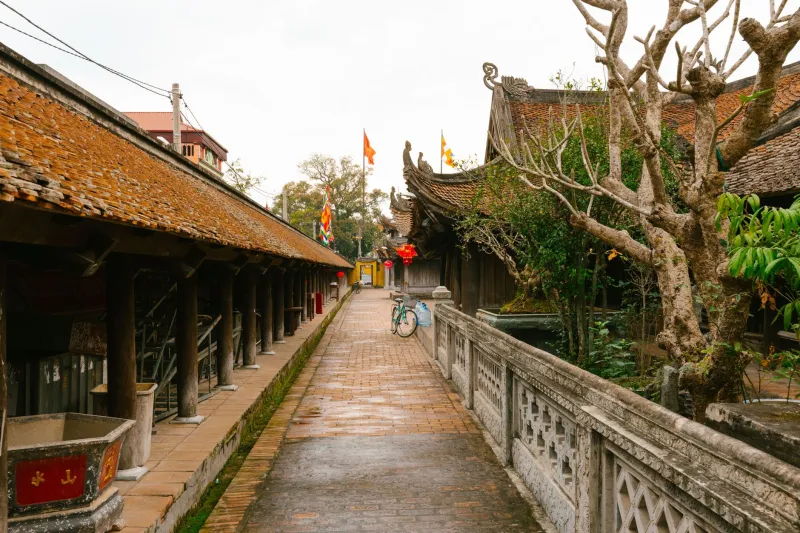
The Itinerary That Nearly Ruined Everything
She had the whole thing mapped out. Spreadsheet tabs for each city. Color-coded time blocks. A notes app stuffed with TripAdvisor screenshots and YouTube walking tours she'd watched three times each. By the time she landed in Chiang Mai, she'd already "experienced" it — at least in her head.
What she hadn't planned for was the alley behind her guesthouse, where a woman in her seventies was pressing sticky rice into banana leaves at six in the morning. Or the conversation that followed, conducted mostly through hand gestures and shared laughter. That moment — unscheduled, unoptimized, and completely unrepeatable — became the story she still tells at dinner parties two years later.
The itinerary? She abandoned it by day three.
The American Relationship with Control (It's Complicated)
Here's the thing about how most Americans travel: we treat it like a project. We research, we rank, we pre-book. We download the offline maps before we've even packed. There's a reason productivity culture has colonized our vacation time — we're deeply uncomfortable with not knowing what comes next.
And honestly, that impulse makes sense at home. American life rewards optimization. You plan the meeting, you hit the deadline, you get the outcome. The system works.
But take that same operating system to the backstreets of Hội An or the temple districts of Kyoto, and something strange happens. The harder you grip the plan, the more the place seems to slip away from you. You're physically present but experientially absent — checking off locations instead of inhabiting them.
This isn't just a vibe problem. It's a psychological one. Research on travel satisfaction consistently points to unplanned experiences as disproportionately memorable. Psychologists call it the "novelty-surprise" effect: our brains encode unexpected moments more deeply than anticipated ones. In other words, the stuff you didn't see coming is the stuff you actually remember.
What Asian Philosophies Have Been Saying All Along
There's a concept in Japanese culture called ma — often translated as "negative space" or "pause." It shows up in architecture, in music, in conversation. The idea is that the empty space isn't absence; it's where meaning lives. A room isn't just its furniture. A song isn't just its notes.
Apply that to travel and the implications are pretty significant. If you fill every hour, you leave no room for the place to speak. The ma — the unplanned afternoon, the wrong turn, the café you ducked into because it started raining — that's where the actual experience happens.
Southeast Asian cultures carry their own versions of this. In Thailand, there's a gentle fatalism embedded in everyday life — an acceptance that not everything bends to your will, and that's not a failure, it's just reality. In Bali, the concept of taksu describes a kind of spiritual magnetism that you can't manufacture; you can only put yourself in its path. These aren't just philosophical abstractions. They're practical travel wisdom dressed in cultural clothing.
What Letting Go Actually Looks Like
Abandoning your itinerary doesn't mean showing up clueless. It means showing up open. There's a difference between preparation and rigidity, and the sweet spot is knowing that difference before you board the plane.
Here are a few approaches that actually work for American travelers making the shift:
Book your first and last nights, nothing else. Arrival logistics matter — you don't want to be figuring out accommodation at midnight after a long-haul flight. But once you're grounded, let the middle breathe. Give yourself permission to stay somewhere longer than planned, or leave earlier.
Use a 'one anchor, one wander' daily structure. Pick one thing you genuinely want to see or do each day. Everything else is fair game for improvisation. This gives your brain the satisfaction of intention without locking you into a schedule.
Ask locals what they'd do on their day off. Not "what's the best restaurant" — that question gets you the same five spots every travel blog already covers. Ask what they'd actually do if they had a free afternoon. You'll get answers that don't exist on any map.
Resist the urge to photograph first. Spend the first few minutes of any new place just looking. Let your eyes do the work before your phone does. You'll notice things you would've otherwise scrolled past.
Kyoto as a Case Study in Surrender
Kyoto is interesting because it seems like the kind of city that rewards intense preparation. There are hundreds of temples, specific visiting windows, seasonal events that require advance booking. And yes, some of that planning is genuinely useful.
But Kyoto also has a quality that punishes over-scheduling in ways that feel almost intentional. The city's most affecting moments tend to happen in transition — on the walk between places, in the pause before a gate, in the quiet of a side street where the tourist current hasn't reached. The travelers who come away most moved by Kyoto are rarely the ones who hit every item on their list. They're the ones who sat still long enough for the city to find them.
The same is true across Southeast Asia, from the river towns of Laos to the old quarters of Penang. These are places with deep, layered personalities. They don't perform on demand. They reveal themselves gradually, to people who aren't in too much of a hurry to notice.
The Souvenir You Can't Buy
There's a particular kind of traveler who comes back from Asia and can't quite explain what happened to them. They went expecting beauty, history, food — and they got all of that. But they also came back somehow lighter. Less attached to the idea that things need to go a certain way. More comfortable with not knowing.
That shift doesn't happen on a scheduled temple tour. It happens in the gaps. In the hour you had no plan for. In the conversation you stumbled into. In the meal you ordered by pointing at something you couldn't identify.
The art of arriving empty isn't about being passive. It's about making space. Because the most interesting thing about traveling through Kyoto and Southeast Asia isn't what you bring to it — it's what it hands back to you when you stop clutching your itinerary long enough to reach out and take it.