Eat Your Greens (Seriously): The Best Plant-Based Street Food Across Kyoto and Southeast Asia
Your Vegan Travel Anxiety Is About to Get a Lot Better
Let's be honest: a lot of American travelers who eat plant-based get a little nervous before a big Asia trip. The fear is understandable. You've heard the stories — the "vegetarian" soup with fish sauce, the mystery broth, the polite nod from a server that means absolutely nothing. But here's what those stories leave out: Kyoto and much of Southeast Asia have some of the oldest, most sophisticated plant-based food traditions on the planet. You just have to know where to look.
This guide is built for travelers who want to eat well, eat ethically, and eat adventurously — without spending half their trip interrogating kitchen staff. We've pulled together the best dishes, the smartest restaurant picks, and a few recipes you can recreate at home when the jet lag clears and the cravings hit.
Kyoto: Where Vegan Food Has Been Fine Dining for 1,200 Years
Shojin Ryori — The OG Plant-Based Cuisine
Long before oat milk lattes and cauliflower steaks became a thing, Kyoto's Buddhist monks were perfecting a cuisine called shojin ryori — a meticulously crafted, entirely plant-based meal tradition developed in Zen monasteries over more than a millennium. The philosophy behind it isn't just dietary; it's spiritual. Nothing is wasted. Seasonal ingredients are treated with extraordinary care. The result is food that manages to feel both austere and deeply luxurious.
A traditional shojin ryori meal typically includes multiple small dishes: sesame tofu (goma dofu) with a texture so silky it barely resembles what you buy at Whole Foods, simmered mountain vegetables (sansai), pickled seasonal produce, and miso soup made without the usual dashi fish stock. It's served in lacquerware, in a quiet room, at a pace that forces you to slow down.
Where to try it in Kyoto:
- Shigetsu at Tenryuji Temple in Arashiyama is the most accessible option for first-timers, set inside a working Zen temple with garden views. Expect to pay around ¥3,500–¥5,500 (roughly $23–$37) for a full set.
- Izusen near Daitokuji Temple offers a slightly more casual version that's still exceptional — and the tatami seating and stone garden setting make it unforgettable.
The New Wave: Kyoto's Modern Vegan Spots
Beyond the temple kitchens, a younger generation of Kyoto chefs is doing something interesting: taking shojin principles and running them through a more contemporary filter. Think fermented tofu served with house-made chili crisp, or kabocha squash in a miso glaze alongside a craft sake pairing.
Veg Kitchen in the Fushimi area is a good example — a casual, counter-style spot where the menu changes weekly based on what's at the Nishiki Market. The chef, a former fine-dining line cook, sources almost everything locally and makes all sauces and condiments in-house. Their roasted maitake mushroom rice bowl has a cult following among Kyoto food nerds.
Southeast Asia: Plant-Based Abundance on Every Corner
Thailand: The Jai (เจ) Street Food Universe
Every October, Thailand celebrates the Vegetarian Festival — known locally as the Jai festival — during which millions of Thai people, particularly those of Chinese descent, eat entirely plant-based for nine days. The result is a nationwide explosion of street food stalls flying yellow flags that signal vegan-friendly food. But here's the secret most tourists miss: many of these stalls operate year-round.
In Chiang Mai's Warorot Market and along the Sunday Walking Street, look for the yellow flag and you'll find dishes like:
- Pad see ew jai — wide rice noodles stir-fried with Chinese broccoli, no egg, no oyster sauce
- Tom kha jai — the iconic coconut soup made with tofu and mushrooms instead of chicken, still rich and fragrant with galangal and lemongrass
- Mango sticky rice — naturally vegan and arguably the best dessert in Southeast Asia, full stop
Vietnam: Cơm Chay and the Buddhist Lunch Rush
Vietnamese Buddhist cuisine — called cơm chay — operates on a lunar calendar, with the 1st and 15th of each lunar month being peak plant-based days. On these days, even dedicated meat-eaters often eat vegan as a form of spiritual observance. The streets fill with cơm chay stalls serving food that's shockingly good for how inexpensive it is.
In Hanoi, the Old Quarter has several permanent cơm chay restaurants that operate daily. The dishes mimic meat-based Vietnamese classics using tofu, seitan, and mushrooms with such skill that the distinction almost disappears. A plate of bún chay (vegan vermicelli bowl with lemongrass tofu) typically runs under $2 USD.
In Ho Chi Minh City, Hum Vegetarian is the upscale version — a beautifully designed restaurant in District 3 where the Vietnamese-French fusion menu is entirely plant-based and the cocktail list is genuinely impressive.
Indonesia: Tempeh Is Having Its Global Moment (It Started Here)
American grocery stores are full of tempeh right now, but most of what you'll find there is a pale imitation of the real thing. In Java, tempeh is a living food — freshly made, still warm, with a nutty depth that the vacuum-sealed packages back home can't touch.
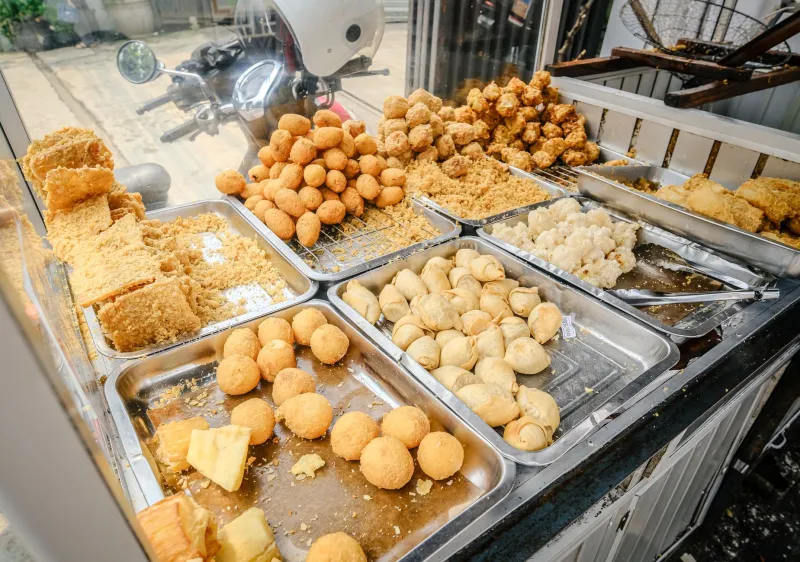
In Yogyakarta, street vendors sell tempe mendoan — thin tempeh fritters battered in a spiced rice flour coating and fried until just barely crispy, served with a sweet soy dipping sauce. It costs almost nothing and is one of the most satisfying bites in all of Southeast Asia.
For a sit-down experience, Milas in Yogyakarta is a beloved plant-based restaurant with a garden setting that feels like eating in someone's very beautiful backyard. The menu leans heavily on local produce and traditional Javanese spice profiles.
A Recipe to Bring Home: Goma Dofu (Sesame Tofu)
This isn't tofu in the way most Americans think of it. It's made from sesame paste and kudzu starch — silky, rich, and completely unlike anything you can buy pre-made.
Ingredients:
- 1 cup sesame paste (tahini works in a pinch)
- 3 cups water
- 3 tablespoons kudzu starch (available at Japanese grocery stores or online)
- Soy sauce, wasabi, and pickled ginger to serve
Method: Whisk sesame paste, water, and kudzu starch together until completely smooth. Cook over medium heat, stirring constantly, until the mixture thickens and pulls away from the sides of the pan — about 15 minutes. Pour into a rinsed mold or small dish, smooth the top, and refrigerate for at least 2 hours. Slice and serve cold with a small pour of soy sauce and a dab of wasabi.
It's simple, meditative to make, and tastes exactly like Kyoto.
The Bottom Line for Plant-Based Travelers
Asia isn't a minefield for vegan eaters — it's a treasure map. The trick is reframing your expectations. You're not looking for American-style substitutions. You're stepping into food traditions that figured out how to make plants extraordinary long before the rest of the world caught on. Come hungry. Come curious. The yellow flags and temple kitchens are waiting.