Why the Most Gracious Hosts in Asia Keep Telling You No
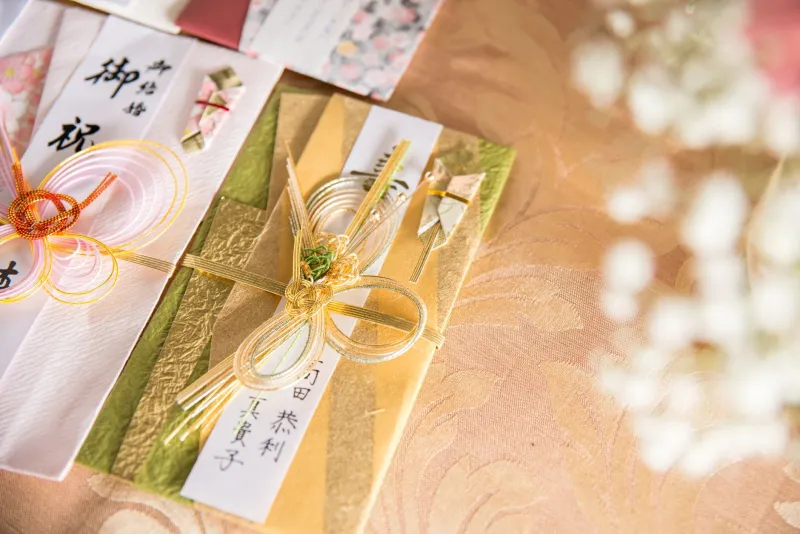
You've just spent twenty minutes picking out a small gift at a market stall in Kyoto — a little lacquered box, something tasteful, something you thought your guesthouse host might genuinely appreciate. You present it with both hands, the way you read you're supposed to. And then she waves it away, shaking her head gently, smiling the whole time.
You panic. Did you offend her? Was the gift wrong? Did you break some unspoken rule?
Probably not. What you just witnessed is one of the most misread rituals in Asian social culture — and once you understand it, it changes the way you move through the entire region.
The Refusal Is Part of the Yes
In Japan, and across much of Southeast Asia — Vietnam, Thailand, Indonesia, and beyond — the act of declining something before eventually accepting it is deeply embedded in how people express politeness and mutual respect. It's not a brush-off. It's a choreography.
In Japanese culture, this pattern is closely tied to the concept of enryo, a kind of deliberate restraint or self-effacement in social situations. Accepting something too eagerly — a gift, a compliment, an invitation — is considered presumptuous. It implies you feel entitled to the thing being offered. Refusing once, or even twice, signals that you don't want to impose, that you value the relationship over the object or opportunity itself.
In Vietnam, a host might insist you eat more while simultaneously deflecting your offer to help clean up — not because they don't want help, but because accepting too readily would feel transactional. In Thailand, a vendor might refuse a tip with a smile and a small bow before you've even had a chance to insist. These are not accidents. They're signals.
The rhythm tends to go: offer, decline, offer again, decline again, accept graciously. Miss a beat, and the whole thing falls apart.
Why Americans Tend to Get This Wrong
In the US, we're generally taught that saying yes is the open, generous, culturally curious thing to do. Especially when traveling. You want to seem game. You don't want to come across as uptight or closed off. So when someone offers you something, you take it. When someone invites you somewhere, you go. When someone says "please, no, it's too much," you assume they mean it literally and back down.
But that instinct, however well-intentioned, can actually short-circuit the social exchange entirely.
If a host in Kyoto declines your gift and you immediately say "Oh, okay, sorry" and pocket it, you've ended the conversation prematurely. You've accepted their enryo at face value and denied them the chance to move through the full ritual. The gift — and the relationship — never gets to land properly.
This isn't about manipulation or game-playing. It's about understanding that in many Asian cultures, the form of an interaction carries as much meaning as its content. The back-and-forth isn't filler. It's the point.
What This Actually Looks Like on the Ground
Practically speaking, here's how this plays out in real travel moments:
Gift-giving in Japan: Present your gift with both hands and a small bow. If it's declined, offer it again warmly. If it's declined a second time, you can gently set it down nearby and let the host decide what to do with it. Most of the time, it will quietly be accepted.
Invitations in Southeast Asia: If a local family invites you to share a meal and then immediately says "Oh, but you're probably busy," don't take that as your exit cue. Reassure them you'd love to join. The initial hedge is often a courtesy, a way of making sure you're not being pressured.
Refusing help: If you offer to pitch in — helping carry something, chipping in for a shared meal, paying your portion of a tuk-tuk — and you're told no, try once more. Not insistently, but genuinely. The refusal is often the first move in a negotiation about care, not a closed door.
The Bigger Lesson for US Travelers
Here's the thing that tends to hit American travelers sideways: this cultural pattern isn't just about hospitality etiquette. It's a window into a fundamentally different relationship with boundaries.
In the US, we tend to treat boundaries as walls — things you put up to protect yourself from unwanted intrusion. Saying no is a defense mechanism. But in much of Asia, the no that precedes a yes is a relational act. It's a way of saying: I see you, I don't want to impose on you, I want to make sure this exchange is genuinely mutual.
That's a different architecture entirely. And spending time in it has a way of quietly reshaping how you think about your own social reflexes.
Many Americans who travel through Japan and Southeast Asia come home talking about how they've become more comfortable declining things — not out of rudeness, but out of a new appreciation for what a thoughtful, well-placed no can communicate. That your time matters. That you don't want to overextend. That you're paying attention to the other person's comfort, not just your own eagerness.
Slowing Down the Social Moment
The deeper skill this kind of travel teaches is patience with ambiguity. Not every social signal in Asia maps neatly onto American conventions, and that's not a problem to solve — it's a texture to sit with.
When you stop trying to decode every interaction through a familiar lens and start letting the rhythm of the exchange guide you, something shifts. You become a better listener. You stop filling silences. You learn to read body language and tone rather than just words.
That's not a small thing. It's actually one of the more transferable skills travel can give you.
So the next time a host in Kyoto gently waves away your carefully chosen gift, or a family in Hoi An tells you they couldn't possibly accept your help — take a breath. Don't retreat. Try again, warmly, without pressure. Let the ritual play out.
Chances are, the yes is already on its way.


